
Home Finance Options and Tips
Industry News
Home Finance Options and Tips
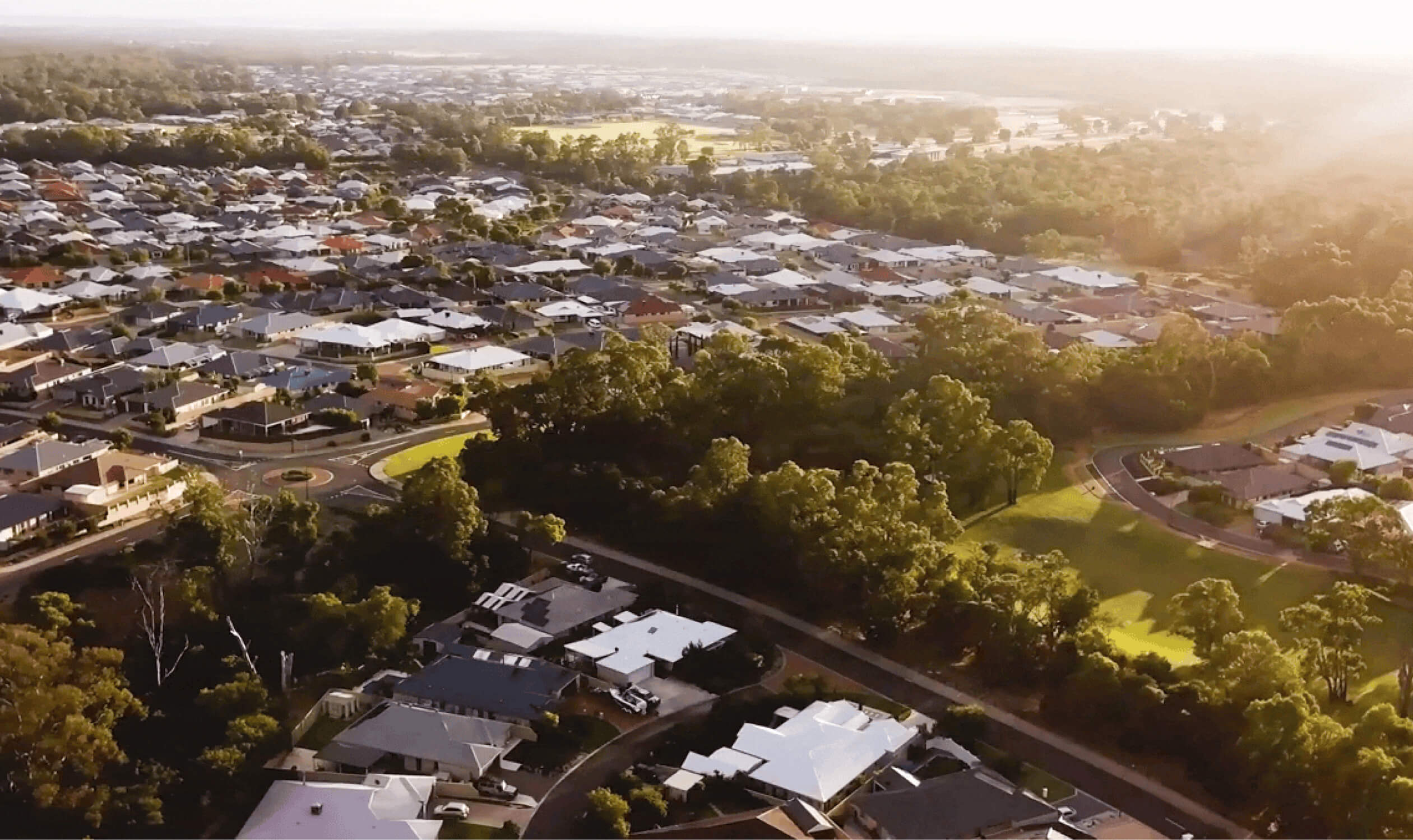
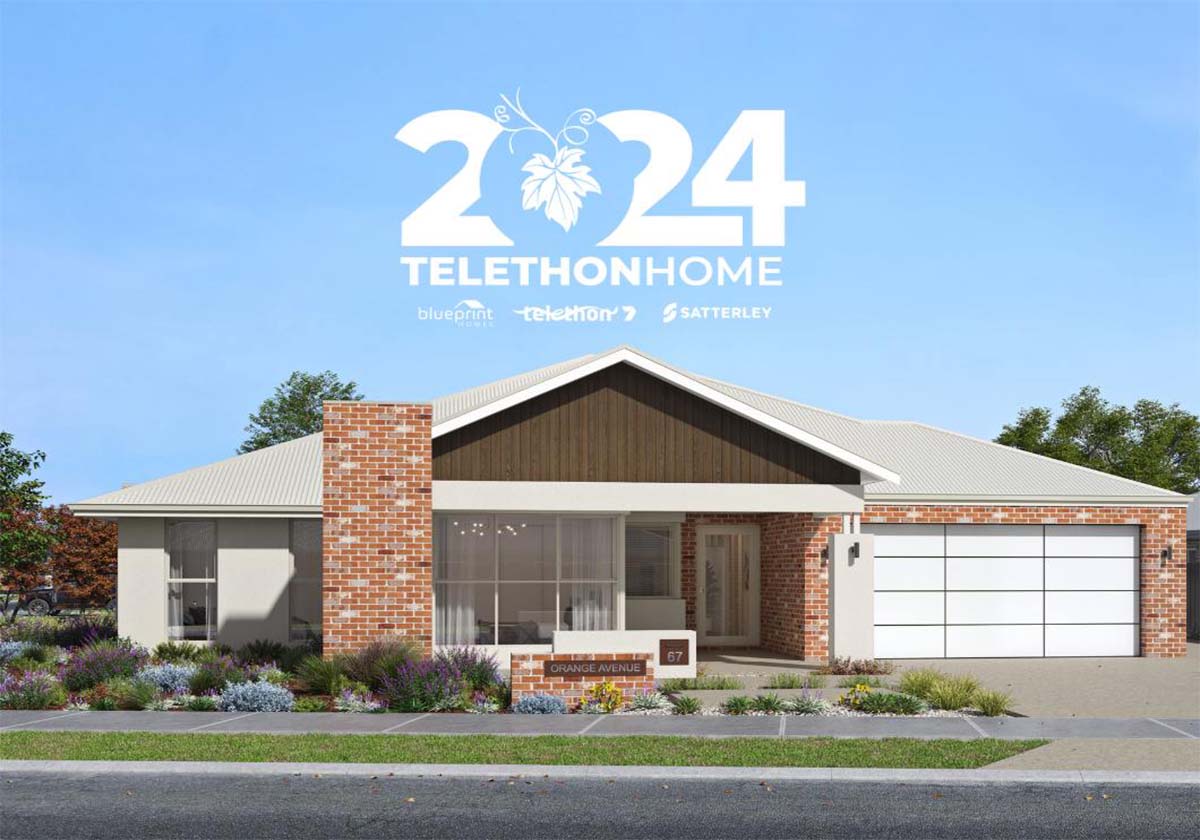
Blueprint Homes, one of Perth’s leading builders, has partnered with Telethon this year and generously donated the entire build of a stunning four-bedroom, two-bathroom home.

We are passionate about creating communities that are more than just a place to live. They are thriving neighbourhoods our residents love and are proud to call home.
Nigel Satterley
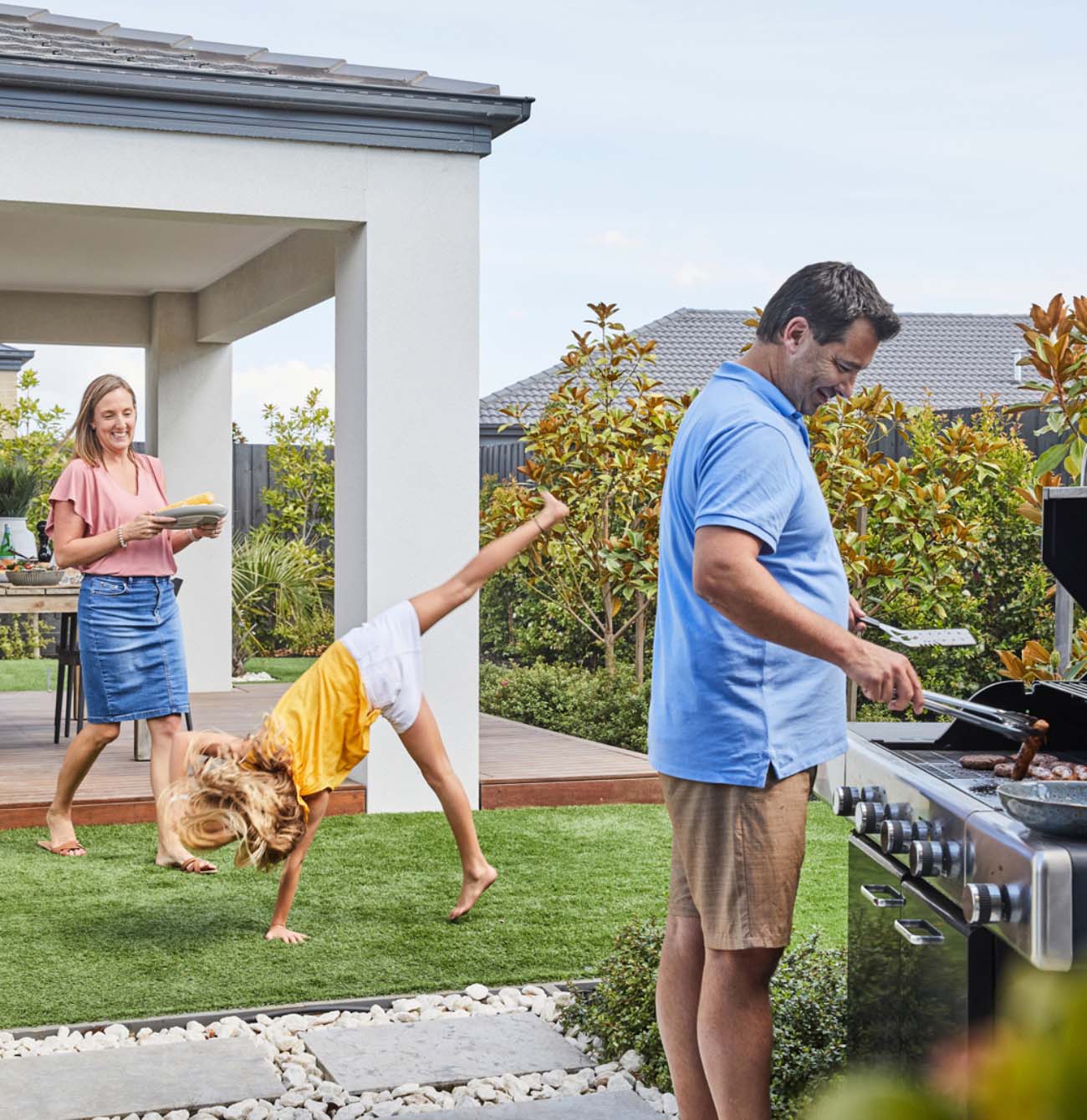
Join more than a quarter of a million people across Australia who have chosen a Satterley residential community to call home.
Our communities cater to both the current and future needs of residents and respond to the demands of modern life. Each community provides attractive and affordable lifestyle options for home buyers, and feature an innovative mix of housing sizes, types and styles.
It is this combination of experience and excellence that sets Satterley apart from the rest, and why Satterley feels like home for so many Australian families
Hear from happy residents
“It’s really the most amazing place to live. I couldn’t imagine being anywhere else – it really has got it all!”

Resident

Hear from happy residents
“We love living here, great community spirit and lovely environment for families of all ages”

Resident
Hear from happy residents
“We came from the great southern area, retired, and downsized… we both absolutely love it at Eden Beach. Congratulations, we feel our sense of belonging here!”

Resident

Industry News
Home Finance Options and Tips
Our Communities
Things To Do In Officer & Surrounds
Industry News
Best Suburbs to Invest in Perth in 2024
Corporate News
Satterley acquires former Kingswood Golf Course in Victoria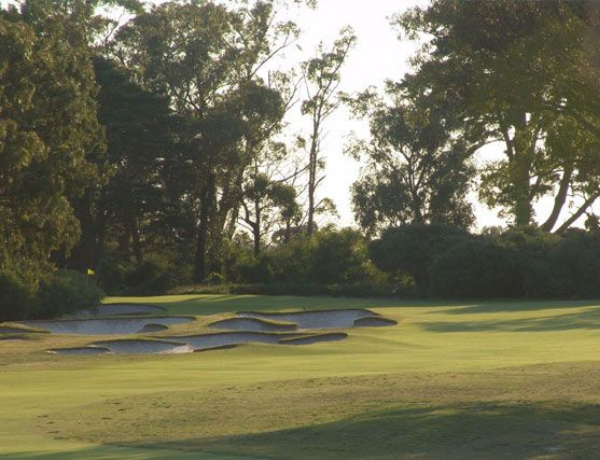
Corporate News
The 2024 Telethon Home comes to Clementine, Upper Swan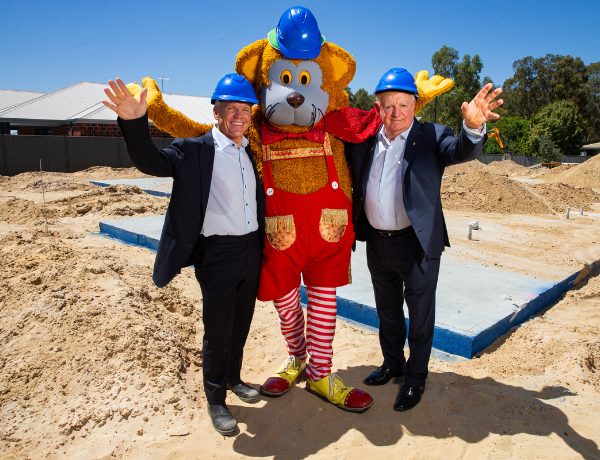
Industry News
Why are house prices in Australia rising?
Industry News
How to Avoid Common Real Estate Investment Pitfalls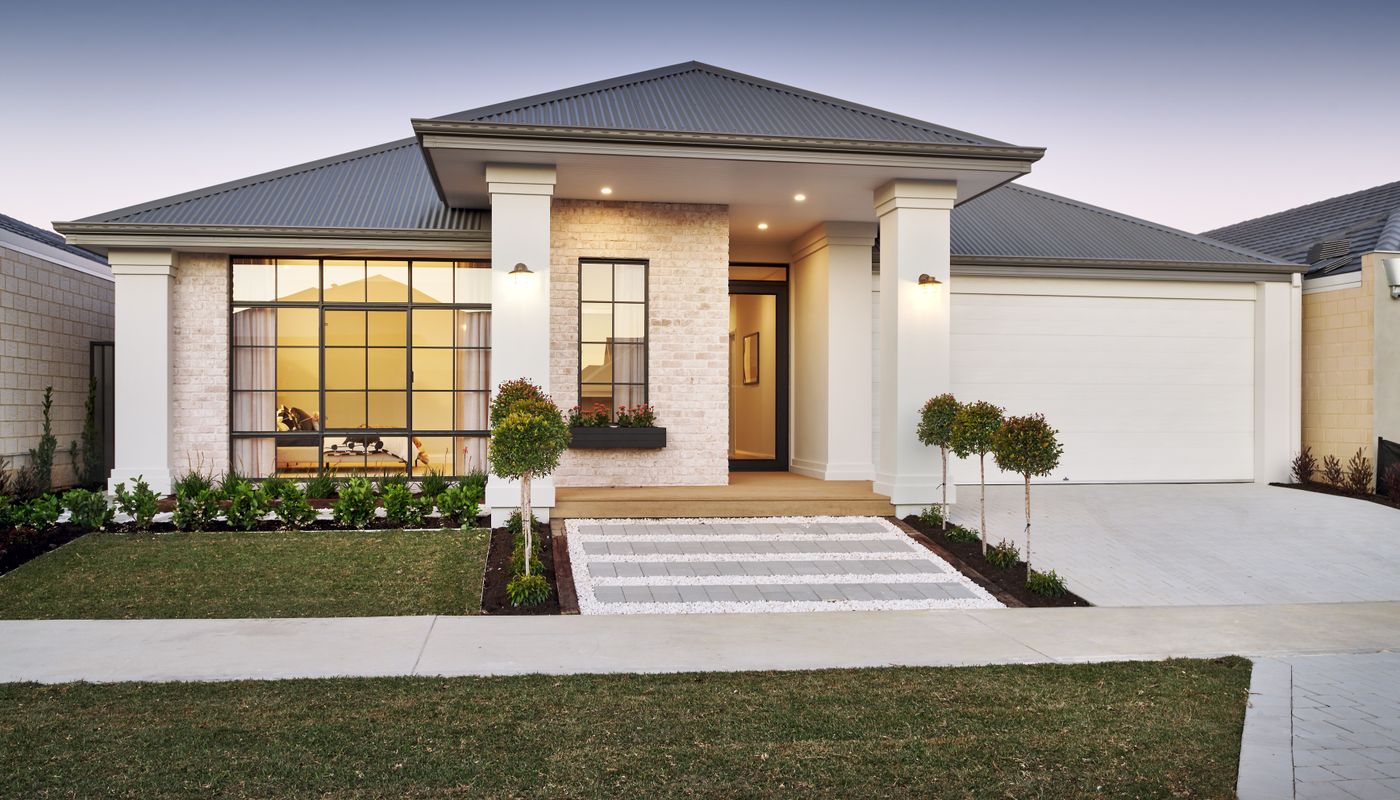
Our Communities
First buyers receive their home keys in Florence Estate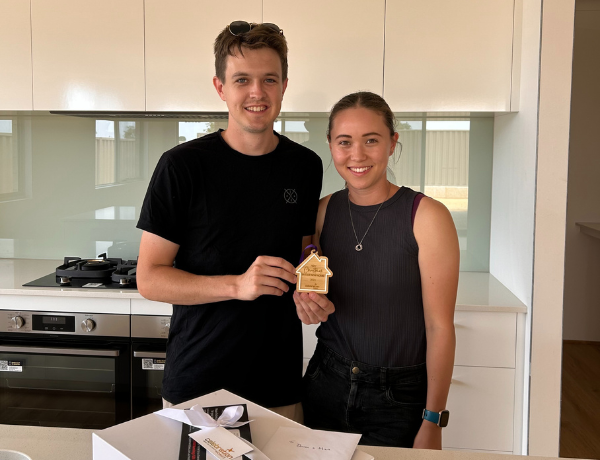
Backed by more than four decades of industry experience, we are also Australia’s most trusted land developer. People know that when they move into a Satterley masterplanned community, they are purchasing a new lifestyle, not just a postcode.
Our ongoing success is reflected in our many milestones. We have planned and created 180 individual estates and sold more than 80,000 lots. We have provided a place to call home for more than a quarter of a million Australians and have received more than 100 prestigious international, national and state industry awards for quality, liveability, sustainability, and innovation.